Zero Risk on Site, Excellence in Production: Why You Should Choose Investment Cast Ledger Ends
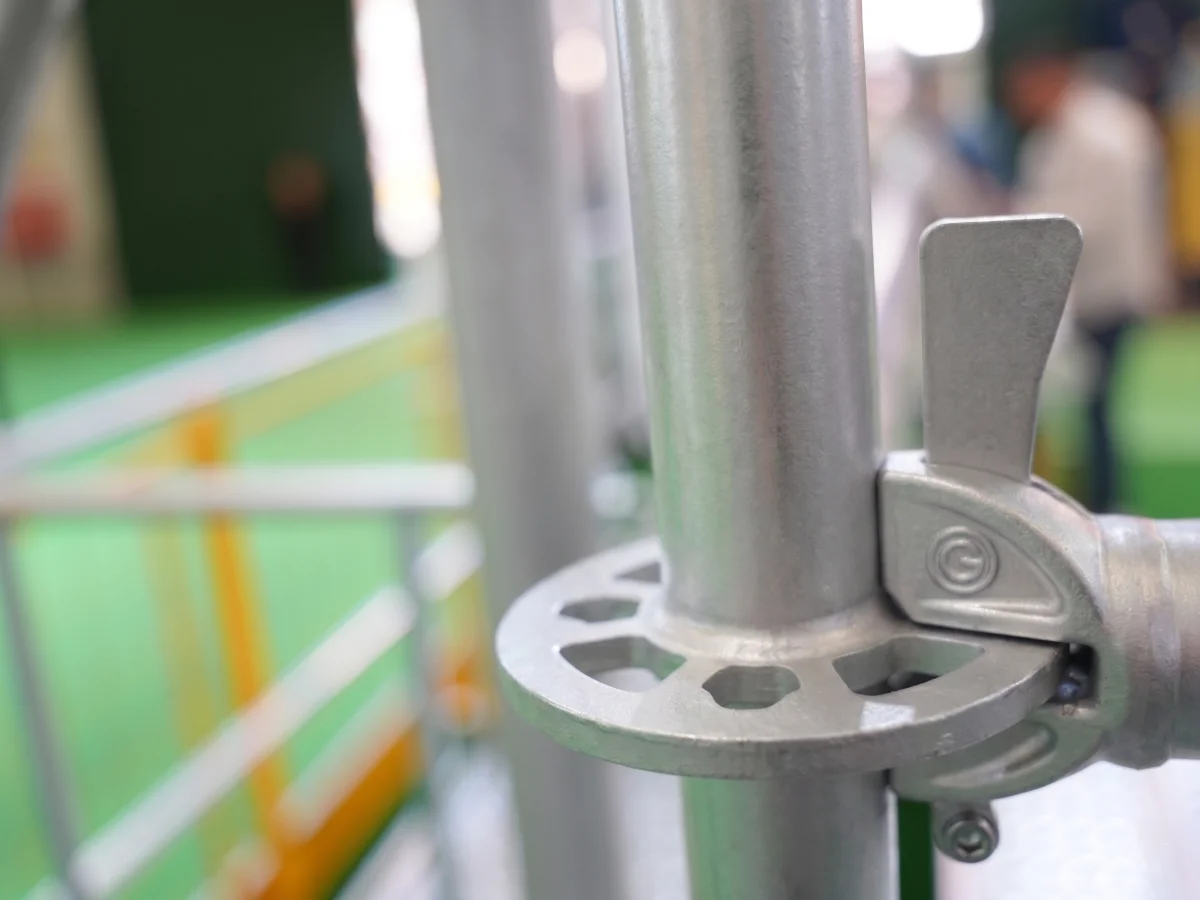
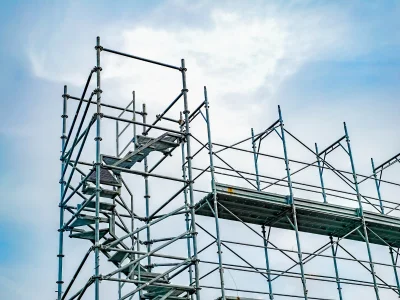
As one of the most critical connection components in industrial scaffolding and formwork systems, the ledger end (wedge housing) might look like a simple metal piece from the outside. However, the safety of these systems, which carry tons of loads on construction sites, is entirely hidden in the heart of that metal—its microstructure.
While most manufacturers and procurement professionals focus solely on the external shape and price of the product, the most critical process directly threatening safety is often overlooked: production technology.
At GCE Metal, we have initiated a new era in production to eliminate the risks that traditional casting methods pose on-site. Here are the dangers of traditional green sand casting and the vital role of modern investment casting technology in scaffolding safety.
Why is Traditional (Sand Mold) Casting Risky?
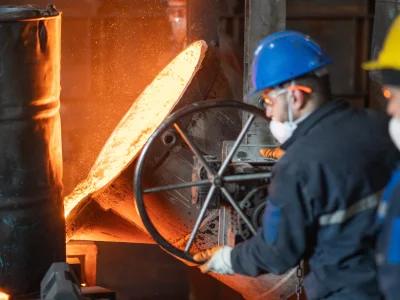
In the traditional sand molding method, molten metal, which reaches 1600°C in the furnace, is poured into a sand mold at an ambient room temperature of approximately 24°C. While this looks like a standard procedure at first glance, it leads to severe, risky consequences for the material from a metallurgical standpoint:
- Thermal Cooling Shock: Metal dropping suddenly from 1600°C to room temperature undergoes intense thermal shock.
- High Internal Stress: Uncontrolled and rapid cooling creates non-homogeneous, high-stress zones within the internal structure of the metal.
- Micro-cracks: Because the cooling rate cannot be regulated, invisible micro-cracks and fracture initiation points form.
The Result: A ledger end that looks completely flawless and smooth on the outside carries a high risk of sudden brittle fracture when placed under heavy load on-site, due to these latent internal stresses and micro-cracks.
Does Heat Treatment (Baking) Eliminate Risks Completely?
The general perception in the industry is that post-casting heat treatment (annealing/baking) completely eliminates this internal stress. However, due to the inherent design of industrial furnaces, heat is never distributed perfectly evenly.
While one zone of the furnace might be at 580°C, other sections can experience much higher temperature variations. This uneven environment results in:
- Inconsistent and non-homogeneous heating across different parts.
- The impossibility of completely neutralizing the material's internal residual stress.
- Persistent metallurgical risks, even if the product undergoes a double-baking process.
Our engineering experience and R&D studies at GCE Metal show that products manufactured using traditional sand casting maintain an average fracture risk of 1 in every 10,000 units. In scaffolding systems, the failure of a single component means risking the entire structure—and human lives.
The New Standard in Engineering: Zero Stress with Investment Casting
To provide the "Zero Risk" guarantee that scaffolding manufacturers and system rental companies look for, we left traditional methods behind and shifted our production entirely to Investment Casting Technology (Lost Wax Casting).
In the investment casting process, the molten metal is not forced into a freezing environment; instead, it is poured into a fully controlled, pre-heated mold:
- Ceramic Shell Construction: Special ceramic molds capable of withstanding extreme temperatures are built around the product form.
- Wax Pattern Melting: The wax pattern inside the ceramic shell is melted out at approximately 800°C, leaving a flawless, precise cavity.
- Hot Mold Pouring: Molten metal at 1600°C is poured into a pre-heated ceramic mold at 700°C, rather than 24°C cold sand.
Controlled Cooling, Perfect Homogeneity
When the liquid metal meets a hot ceramic mold that is only slightly cooler than itself, the cooling process occurs slowly and in perfect equilibrium. Since rapid solidification and thermal shock are prevented, internal stress—the root cause of fracturing—is eliminated at the very beginning of production.
Although the investment casting method inherently yields an ideal microstructure, GCE Metal quality standards dictate that all our products undergo an additional stress-relieving heat treatment. The result is the GCE Ledger End: completely free of fracture risks and possessing unyielding strength.
Certified Safety in Connection Components: What Does GCE Metal Offer?
We offer our B2B business partners more than just a cast component; we deliver verified quality they can confidently deploy on-site, fully compliant with international standards:
- Zero Fracture Risk: High-strength, load-optimized investment cast ledger ends.
- Material Traceability (Lot/Batch Tracking): We track every single production batch from raw material to the final product using our strict lot-based traceability system.
- EN 10204 3.1B Certification: We subject all products to rigorous chemical and mechanical tests, fully documenting them with EN 10204 3.1B certificates.
- Transparent Data Sharing: Following every shipment, we deliver the exact quality, material, and test certificates belonging to that specific batch directly to our clients.
Summary
There is no room for compromise when it comes to safety in scaffolding and formwork systems. Do not be deceived by external appearances; the true quality of your system is dictated by the internal microstructure of its components. At GCE Metal, we offer zero risk on-site and excellence in production through investment casting technology, stringent quality control, and total material traceability.
Do not jeopardize the structural integrity of your systems. Contact our expert team today via the GCE Metal Contact Page to request technical specifications, test reports, and tailored B2B solutions for your projects.
Hi :)
May i help you?
12:18