What is the Difference Between St37 and St52 Steel Grades?
The quality of connection elements used in scaffolding and formwork systems directly depends on the grade of the raw steel utilized. In the construction and manufacturing industries, St37 and St52 steel grades are frequently compared. They differ significantly in terms of mechanical properties, durability, and application areas.
In this article, we cover the key differences between these two steel grades, which products prefer which grade, and how making the right choice enhances construction site safety.
What Are St37 and St52 Steel Grades?
St37 and St52 are steel classification names originating from the German DIN standard, which are still widely used today. In current European norms (EN), these grades correspond to S235 and S355, respectively.
The numbers in these designations represent the approximate yield strength (in N/mm²) of the steel:
- St37 (S235): Yield strength of approximately 235 N/mm²
- St52 (S355): Yield strength of approximately 355 N/mm²
This variation in yield strength directly determines the load-bearing capacity, bending resistance, and overall structural performance of the two steel grades.
Which Steel Grade is Used in Which Products?
In scaffolding and formwork systems, both steel grades are utilized in different components based on engineering requirements:
Common Applications for St37 (S235):
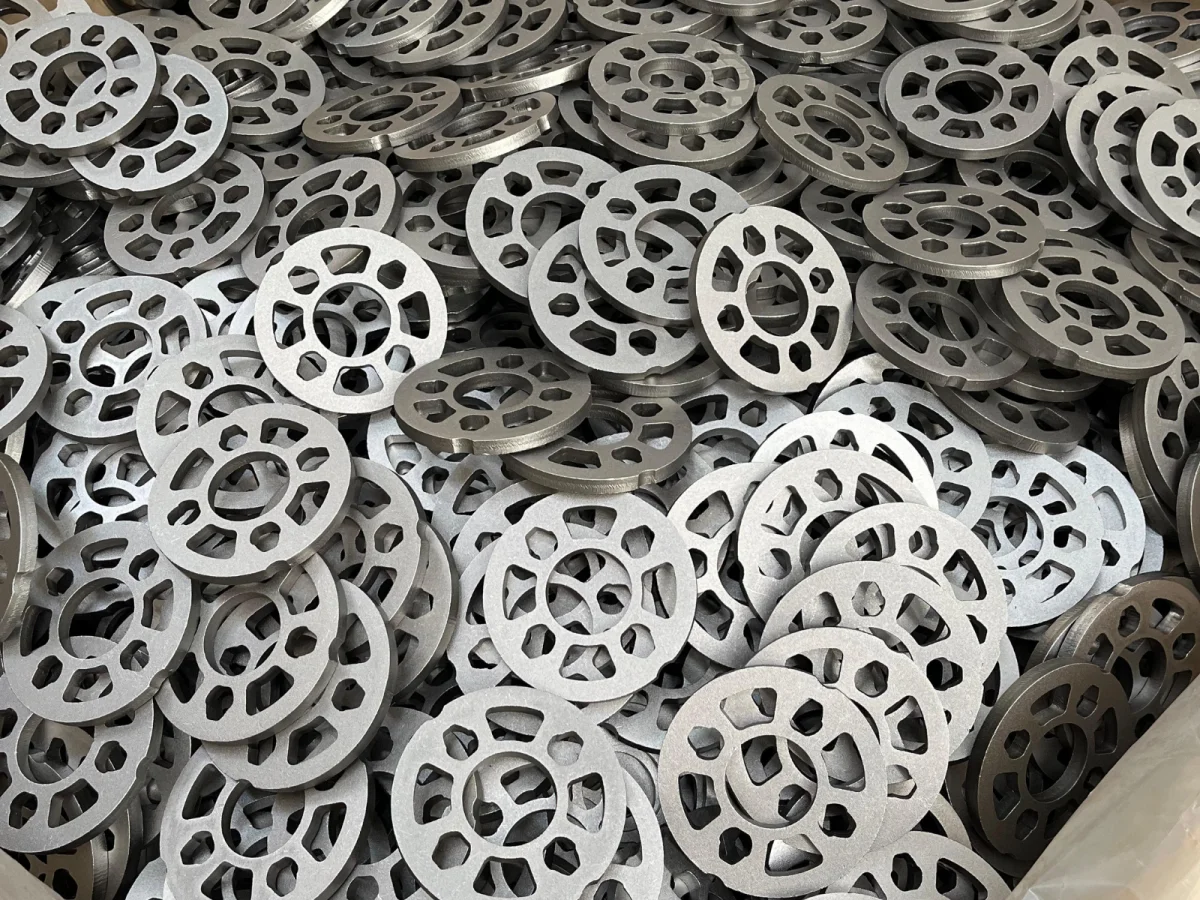
- Sheet metal cutting and pressed flanges (e.g., press-formed or laser-cut flange parts)
- Connection elements exposed to lower load distributions
- General-purpose sheet metal components
Common Applications for St52 (S355):
- Laser-cut flange parts requiring high tensile strength
- Wedges and critical, load-transferring connection points
- Structural components operating under heavy loads
Manufacturers make a conscious choice between these two grades based on the component's function to achieve the optimum balance between structural safety and cost-efficiency.
Why Does This Difference Matter for Site Safety?
Every connection element used in scaffolding systems must safely carry both static and dynamic loads. A component manufactured from the wrong steel grade or lacking certification might look identical to the correct part, but it can display dangerous deviations in actual load capacity. Therefore:
- Tensile and compression test reports must be requested for critical load-bearing parts.
- EN 10204 3.1 documentation ensures traceable certification of the steel grade and its mechanical test results.
- The EN 74-1 standard defines the performance criteria for scaffolding couplers and connection elements, serving as an indirect guarantee that the correct steel grade has been selected.
With uncertified or unverified products, there is always a risk that a part marketed as St37 might actually be made from lower-quality raw materials. Certification is not a mere formality; it is the core foundation of onsite safety.
Key Considerations When Selecting the Right Steel Grade
- Determine Project Load Requirements: Static calculation reports indicate exactly which strength class is required for the project.
- Request Material Certificates: Without an EN 10204 3.1 certificate, claims about the steel grade cannot be verified.
- Evaluate Welding and Assembly Conditions: St52 components may require additional pre-heating or post-welding measures depending on the application.
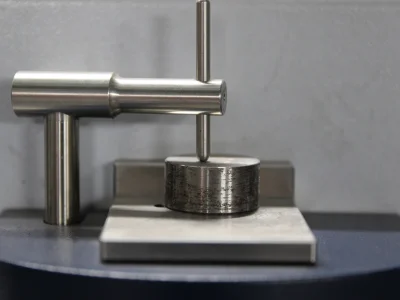
- Assess Supplier's Testing Capabilities: Companies capable of performing chemical analysis, hardness testing, and tensile/compression tests offer a much more reliable partnership.
Conclusion
The difference between St37 and St52 is not just a matter of naming; it is an engineering decision that directly impacts structural safety on-site. Choosing the right steel grade is just as critical as verifying that choice with certificates and test reports.
As GCE Metal, we never leave the steel grade of our manufactured components to chance. With every shipment, we provide a comprehensive documentation package containing EN 10204 3.1 certificates, dimensional control sheets, and tensile/compression test summaries. We verify our production batches through chemical analysis, coating thickness, and hardness measurements. Upon request, we also facilitate third-party testing organizations.
If you want to ensure that the connection elements used in your project are manufactured from the correct steel grade with full traceability and certification, feel free to contact us regarding the GCE Metal product range and our certification processes.
Hi :)
May i help you?
12:17