Where Does Deformation Start in Formwork Systems?
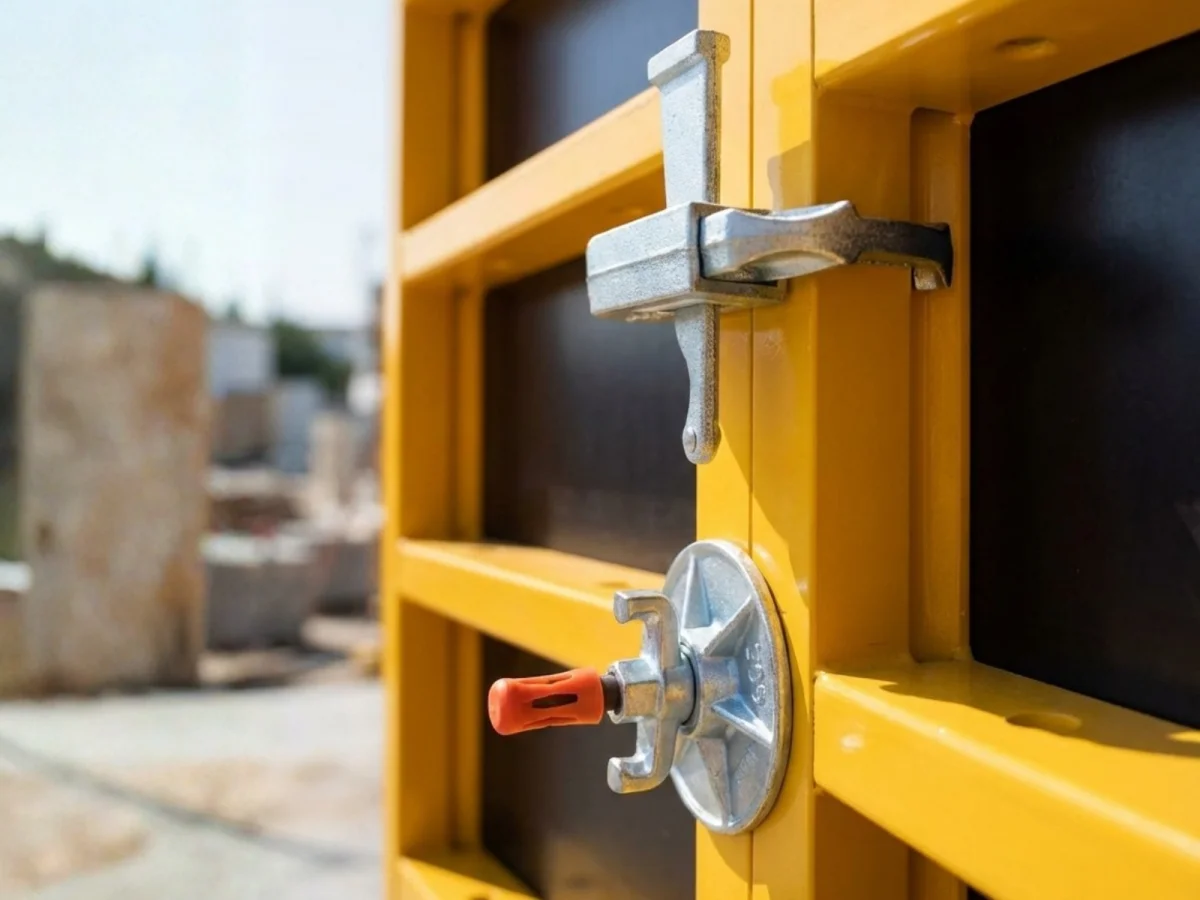
Formwork systems used in the construction industry are exposed to high loads and pressure during concrete pouring. For this reason, components such as tie rods, nuts, plates, and connection accessories used in the system may experience deformation over time.
Deformation in formwork systems usually does not occur suddenly; it begins gradually with small signs. Detecting these early in the field is critical for both jobsite safety and cost control.
In this article, we examine the most common points where deformation begins in formwork systems and the early warning signs that should be monitored.
1. Tie Rod Thread and Nut: The Most Common Starting Point of Deformation
The most common location where deformation begins in formwork systems is the tie rod thread and nut connection. During concrete pouring, the tensile force generated is transferred directly to this point.
Early warning signs
-
The nut becomes difficult to turn or feels stuck during tightening
-
Thread damage, stripping, or burr formation
-
The nut loosens earlier than usual under the same tightening force
Why is it important?
As damage develops in the tie rod threads, the load-bearing capacity decreases. This can directly affect the safety and reliability of the formwork system.
2. Washer Plate and Bearing Surface
Another critical deformation area is the washer plate and its bearing surfaces. These areas are responsible for distributing the load into the formwork system.
Early warning signs
-
Bending or bulging on the plate
-
Metal indentation or marks on the bearing surface
-
Slip marks on conical or pipe contact areas
Why is it important?
If the load is not distributed properly, localized stress increases. This may cause deformation in other connection components within the system.
3. Connection Accessories
Clamps, connectors, and other accessories used in formwork systems may show deformation, often due to installation or tightening errors.
Early warning signs
-
Slip marks on contact surfaces
-
Need for frequent re-tightening of bolts or nuts
-
Opening, crack initiation, or abnormal gaps in the body
Why is it important?
When connections loosen, the system geometry can change, which may significantly affect the stability of the formwork structure.
1-Minute Formwork Inspection Checklist for Jobsites
Site teams can use the following quick checklist for rapid inspections:
-
Are there crushed or stripped threads on the tie rod?
-
Does the nut jam during tightening?
-
Is there bending or bulging on the washer plate surface?
-
Are there slip marks at connection points?
-
Is there any visible crack or bending on the component?
Important note
Once deformation begins in a component, it cannot return to its original performance level. Therefore, early detection is critical for both safety and cost management.
How to Reduce Deformation in Formwork Systems
To minimize the risk of deformation, the following practices are recommended:
-
Selecting the correct material
-
Using high-quality tie rods and nuts
-
Performing regular site inspections
-
Using plates that ensure proper load distribution
-
Using standard-compliant connection accessories
High-quality materials and proper installation help formwork systems operate more safely and with a longer service life.
Quality and Traceability at GCE Metal
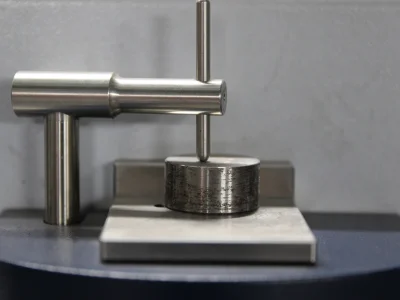
At GCE Metal, we provide yield and tensile test reports for relevant product groups with every shipment.
We track products by lot/heat (batch) and support traceability with detailed documentation.
Upon request, we prepare and deliver required certificates and documents (e.g., EN 10204 3.1 certificates) to our customers.
Our goal:
To support safe jobsite usage through transparent documentation and reliable product quality.
Hi :)
May i help you?
12:20