The Power of Metal in Scaffolding and Formwork: Forging vs. Casting
In the construction industry, when safety and durability are at stake, the manufacturing method of the chosen material determines the fate of the project. There are two fundamental methods encountered in the production of scaffolding and formwork accessories: Forging and Casting.
At GCE Metal, we utilize both production techniques to provide the most suitable solutions for your project's technical requirements. But what are the differences between these two methods, and which should be preferred for specific scaffolding and formwork components?
1. Forging and Casting: What Are the Fundamental Differences?
While both methods aim to shape metal, the process flow and the resulting physical properties of the material differ significantly.
What is Forging?
Forging is the process of shaping metal through pressure and impact at high temperatures (usually up to forging heat) without turning the metal into a liquid state. During this process, the fibrous structure (grain flow) of the metal is not broken; instead, it aligns with the shape of the part.
- Durability: Extremely high. Internal voids (porosity) are eliminated by the forging process.
- Impact Resistance: Shows excellent resistance to sudden loads and impacts.
What is Casting?
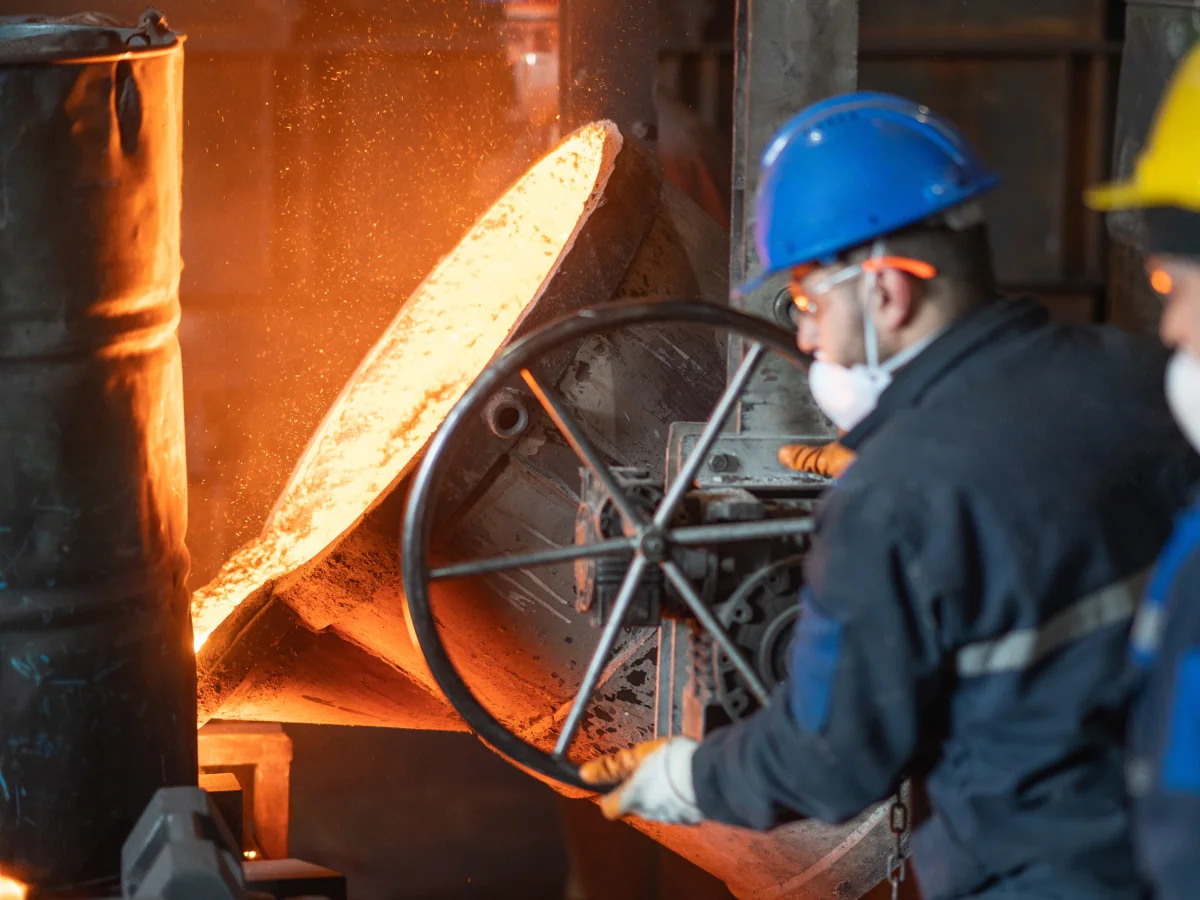
Casting involves melting the metal completely into a liquid state and pouring it into a prepared mold to solidify. It is the ideal method for producing complex geometries.
- Design Flexibility: Very complex and detailed forms can be easily achieved through casting.
- Cost-Effectiveness: Generally more economical than forging for large parts and high-volume mass production.
2. Application Areas in Scaffolding and Formwork Accessories
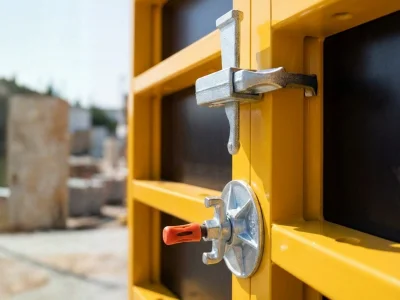
Scaffolding and formwork systems are critical structures that carry massive concrete loads and ensure worker safety. In the GCE Metal production line, these two methods are categorized based on the load the part will encounter.
When is Forged Hardware Used?
The forging method is indispensable for the "load-bearing and safety" points of the system. Parts exposed to high tension are specifically manufactured from forged steel.
- Why? During scaffolding installation, parts are constantly tightened, loosened, and subjected to impacts. Forged steel does not crack under this stress; it may flex, but it does not break.
When is Cast Hardware Used?
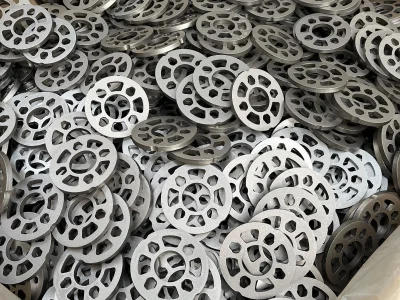
In scaffolding and formwork systems, casting (especially ductile iron/nodular cast iron) is preferred for accessories requiring more complex forms.
- Why? Ductile iron combines the flexibility of casting with the strength of steel, providing high resistance against formwork pressure.
3. Selection Criteria: What Influences the Choice?
When choosing accessories for your scaffolding and formwork projects, consider these three factors:
- Load Capacity: Forged parts raise the safety limit for continuous and heavy loads (e.g., main load-bearing ledger connections).
- Service Life: Since forged parts are more resistant to metal fatigue, they offer a longer lifespan during circulation between different construction sites.
- Geometric Detail: If a part requires special channels or complex locking mechanisms, the casting method is technically more viable.
Conclusion: The Right Material with GCE Metal Assurance
We ensure that every part we produce will never let you down on the field. We don't just sell products; we guarantee the raw material and the load capacity through rigorous testing.
Our Quality Control Standards:
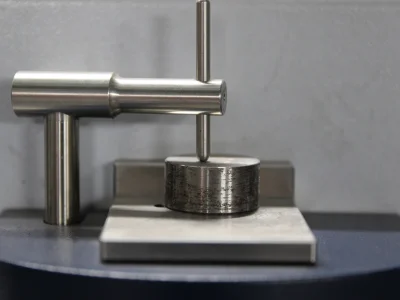
- Durability Tests: We measure how the material reacts under load, verifying resistance by pushing yield and tensile limits.
- Raw Material Analysis: We inspect the chemical composition of the raw materials and never allow non-standard materials onto the production line.
- Precision Measurement: To ensure trouble-free assembly, we conduct millimetric inspections of thread structures and dimensions.
Our Standard Delivery Package for Every Shipment:
We deliver quality not just in words, but with documentation:
- Certified Delivery: We provide product test reports and EN 10204 3.1 certificates with every shipment.
- Traceability (Lot Tracking): We track our products by batch numbers. We know exactly when and with which raw material every single item in the field was produced.
- Corporate Quality Archive: We create searchable digital and physical quality files for every shipment.
- Transparent Inspection: Upon customer request, we can organize testing processes conducted by independent and accredited third-party organizations.
In summary; at GCE Metal, we do more than just produce accessories for scaffolding and formwork. For us, the real job is ensuring the product performs in the field so you can work with confidence.
Visit our website to learn more about our scaffolding and formwork accessories.
Hi :)
May i help you?
12:17