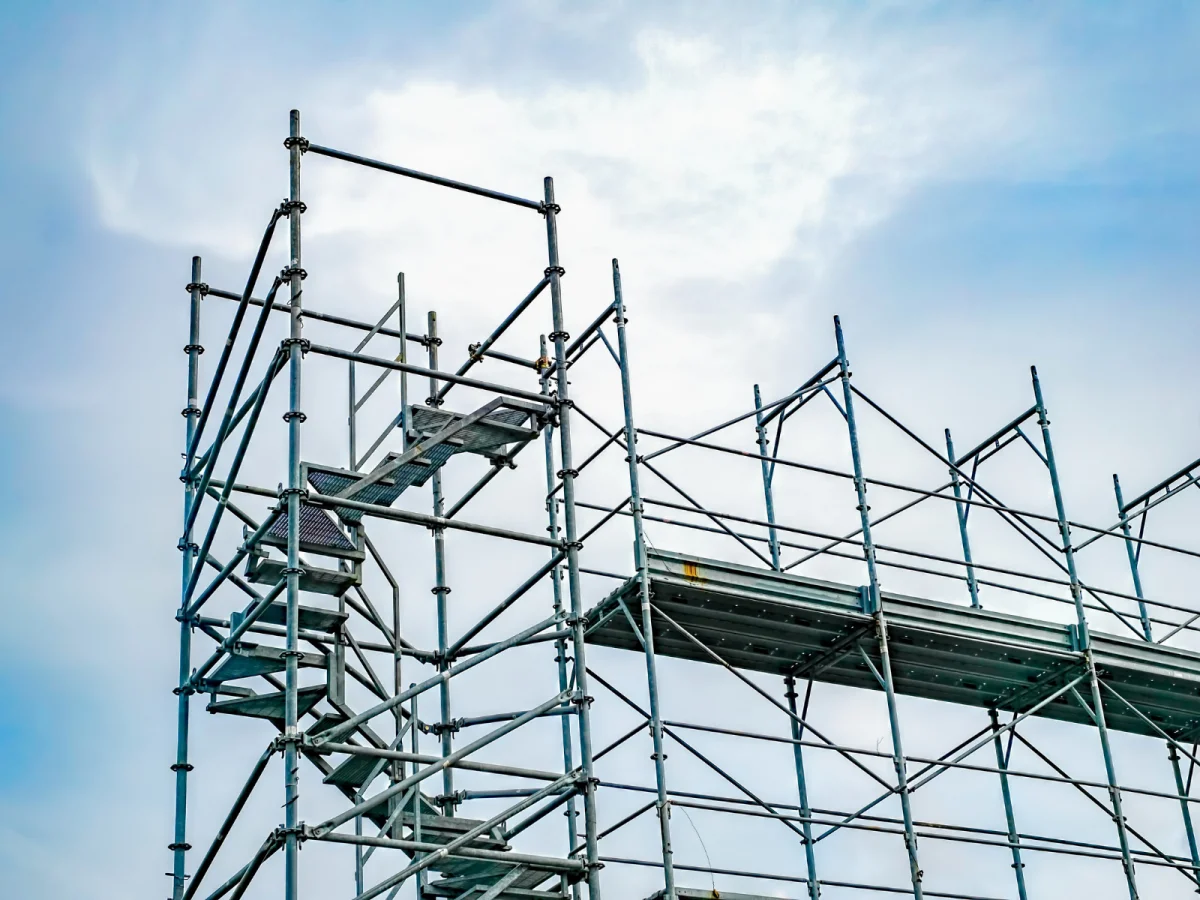
Critical Detail in Scaffolding Safety: Everything You Need to Know About Adjustable Base Jacks
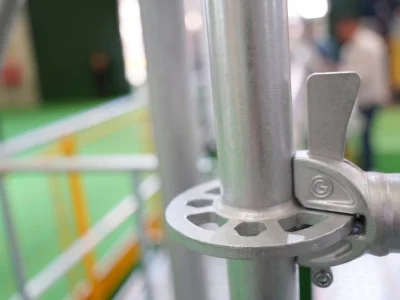
In construction projects, safety is only as strong as its weakest link. While focus often shifts toward massive frames and connection points in scaffolding systems, the Adjustable Base Jack is the unsung hero carrying the entire load. These are not just height-adjusting screws; they are fundamental engineering components that determine the stability of the entire system.
In this article, we examine everything from the technical importance of base jacks to their selection criteria.
The Role of the Base Jack in the Load Transfer Chain
In a scaffolding system, the load flows downward like a pyramid. The base jack is the final link in this chain:
- Superstructure: Workers, materials, and the scaffold’s own weight rest on the vertical standards.
- Vertical Carriers: They transmit the load downward.
- Adjustable Base Jack: It collects all this weight and acts as the final point of transfer to the ground.
Why is it important? If any deformation or flexing occurs at this final link, loss of balance is inevitable—even for a worker at the very top of the scaffold.
Technical Details: Forces Faced by the Base Jack
On construction sites, base jacks are subjected to more than just vertical pressure. Technically, they are tested under three main forces:
A. Compression Load (Compensation)
The self-weight of the scaffold and tons of material load sit vertically on the jack. Low-quality materials can shorten or "buckle" under this intense pressure.
B. Bending (Moment) Effect
Ground conditions are rarely perfectly level. On slight slopes, the load shifts away from the center of the jack. This eccentric loading is the primary factor causing jacks to bend.
C. Thread Stress
The threaded area where the adjustable nut sits is the point of maximum stress concentration. Poorly machined threads can "strip" under high stress, leading to a sudden collapse of the system.
The Hidden Dangers of Incorrect Material Selection
Choosing substandard base jacks to save on costs brings the following risks:
- Metal Fatigue: Poor quality jacks that appear reusable may fail suddenly in the next project.
- Base Plate Deformation: Thin base plates can curve under load, causing uneven pressure on the ground.
- Workplace Accidents: A lack of stability, combined with wind loads, increases the risk of the scaffold tipping by 40%.
How to Identify Quality in a Base Jack?
When inspecting a base jack or its technical specifications, look for these 4 criteria:
- Raw Material Strength: Use of high-strength steel.
- Thread Structure: Threads produced via cold rolling (ovulation) are much more durable than those produced by machining.
- Coating Quality: Protection against corrosion (rust) via Hot-Dip Galvanization or electro-galvanization.
- Welding Precision: The continuity and thickness of the weld where the spindle meets the base plate.
Conclusion
No matter how high your scaffold reaches, its safety depends on that small metal component on the ground. Using quality-compliant base jacks is not an option; it is an occupational safety requirement.
If you are looking for zero risk and maximum durability in your projects, discover the certified solutions of GCE Metal.
Quality Verification and the GCE Metal Approach
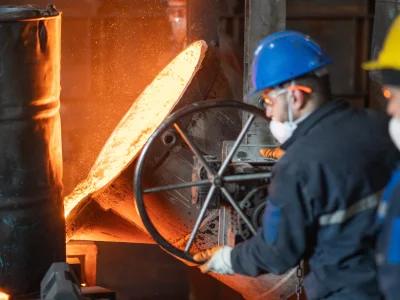
In professional projects, judging formwork nuts or base jacks by appearance alone is insufficient. These are critical fasteners working under high loads. The correct approach is to verify performance during the production stage before they ever reach the site.
Our processes make product behavior predictable through:
- Mechanical strength verification (Yield – Tensile tests)
- Material analysis
- Thread tolerance and dimension controls
- EN 10204 3.1 certified production
- Batch (lot) based traceability
At GCE Metal, we don't just provide products; we offer verifiable and documented quality.
- We share test reports and quality certificates with every shipment.
- We ensure traceability by tracking products by lot.
- We create quality files for every item.
- We organize independent and accredited testing processes upon request.
Our goal is to provide durable, high-performance connection solutions that can be used safely in the field.
For more information about GCE Metal base jack sets and nuts, visit our website.
Our priority is not just the sale, but ensuring the product performs flawlessly on-site through controlled, verified quality.
[Visit our website to explore Scaffolding and Formwork Accessories]
Hi :)
May i help you?
12:18