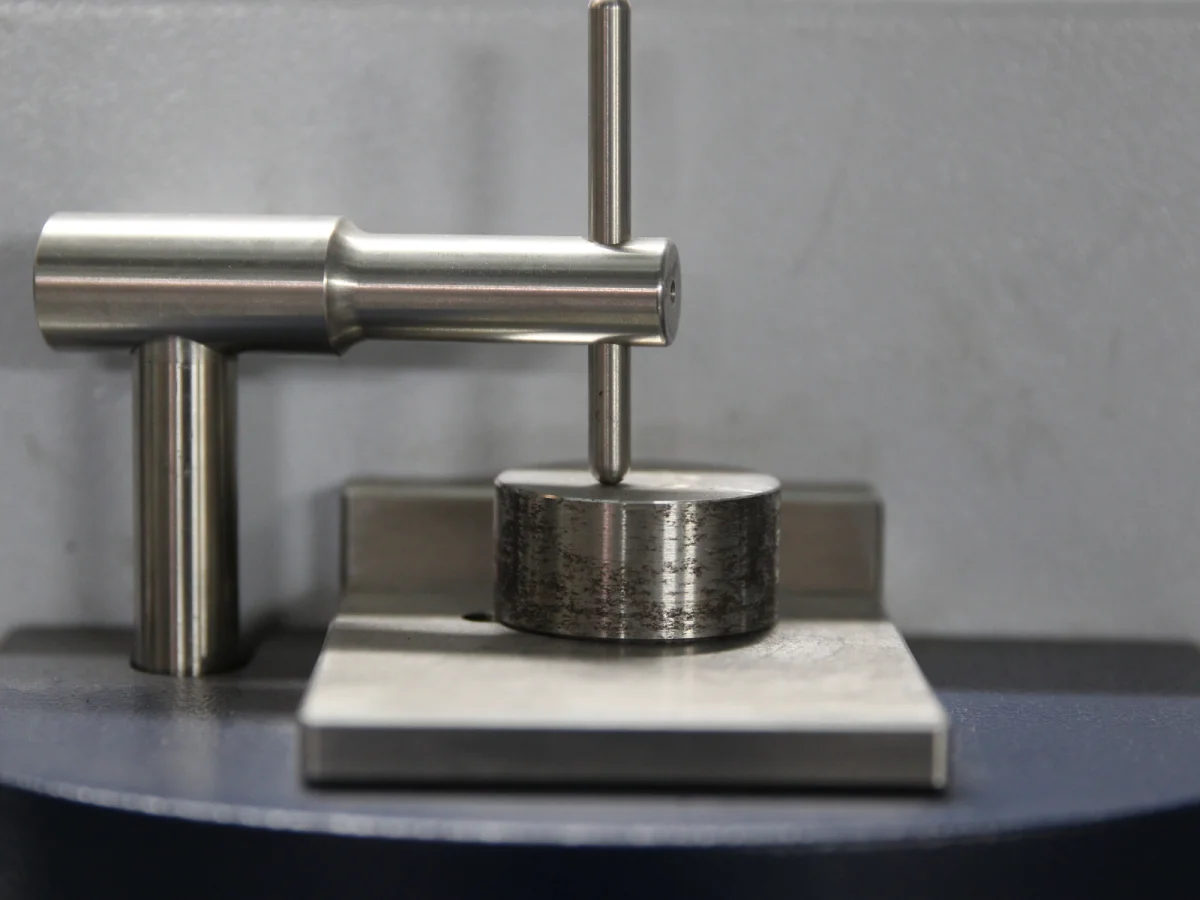
The Certificate of Identity for the Iron and Steel Industry: What is the EN 10204 3.1 Certificate?
In heavy industry, construction projects, or high-load-bearing scaffolding and formwork systems, it is never enough for a metal to simply "look solid." If a visually flawless connection element or cast component lacks the correct chemical composition or sufficient yield strength at a microscopic level, it can jeopardize the safety of the entire project.
This is precisely where international standards—the common language of industry and engineering—come into play. One of the most critical of these standards is the EN 10204 3.1 certificate (historically known in the industry as EN 10204 3.1B), which is universally recognized as the official identity card of metal.
What is EN 10204 3.1 (3.1B)?
EN 10204 is a European standard that defines the types of inspection documents required for the delivery of metallic products. Within this standard, the 3.1 certificate is an officially recognized, globally valid document that records all tests performed on the metal in a laboratory environment, tracking it right back to its raw material source.
In short, this certificate is a genetic map that mathematically proves the strength, flexibility, and endurance limits of the metal.
What Makes This Certificate Special?
Unlike standard declarations of compliance found on the market, two fundamental pillars make the EN 10204 3.1 certificate uniquely reliable:
- Direct Testing (Specific Inspection): This document is not a generic commitment or a statement of average values. It contains the actual laboratory test results of samples taken directly from the specific batch (heat / batch / lot) manufactured for your exact order.
- Independent Approval Mechanism: For the tests to be deemed valid, they must be carried out, approved, and signed by quality control representatives who operate completely independently from the production department and do not report to production hierarchy.
What is Inside an EN 10204 3.1 Certificate?
During a professional procurement or engineering review, three core parameters are meticulously verified within a 3.1 certificate:
1. Chemical Analysis (Heat Analysis)
This reveals the alloy structure of the metal. It precisely lists the exact ratios of elements such as carbon (C), silicon (Si), manganese (Mn), phosphorus (P), and sulfur (S) within materials like cast steel, malleable iron, ductile iron, or steel sheet. These ratios directly determine the material's weldability and corrosion resistance.
2. Mechanical Tests
This documents how the material behaves under physical loads. Laboratory data explicitly shows whether values for tensile strength (the breaking point of the metal), yield strength (the maximum load it can bear without permanent deformation), and hardness comply with the relevant global standards.
3. Cast and Heat Number
This is the tracking number that provides retrospective traceability from the moment the product is melted in the foundry pot as liquid metal to its final manufactured form. Thanks to this number, even a single component used on-site can be traced back to its original raw material lot.
What Do 3.1 Certified Products Bring to Your Project?
Choosing EN 10204 3.1 certified industrial products brings the following values to your business and operations:
- Zero Risk and Maximum Safety: You minimize the risks of breaking, cracking, or structural collapse under high loads. You safeguard occupational safety on-site with scientific data.
- Global Validity and Technical Compliance: You wide open the doors to international projects, large-scale public tenders, and stringent technical specifications. You face zero obstacles during audits and inspections.
- Unshakable Corporate Trust: You hold verified, legally and technically irrefutable proof to present to your clients, project partners, and regulatory bodies.
How We Document Quality as GCE Metal
To maintain safety at the highest level in scaffolding and formwork systems, we don't just manufacture products; we deliver engineering with verified quality. As GCE Metal, we ensure absolute standardization across all different material processes, including cast steel, forged steel, malleable iron, ductile iron, and steel sheet, depending on the application area and technical requirements of the project.
We never compromise on the following steps while producing durable and controlled connection solutions you can safely use on-site:
- ✔ Product Verification: We subject all our products to advanced quality and durability tests in our modern laboratories.
- ✔ 3.1 Certification: We certify the components we manufacture in full compliance with EN 10204 3.1 standards.
- ✔ Lot-Based Traceability: We make every step of the materials traceable on a lot basis, from the production stage until they reach the construction site.

Hi :)
May i help you?
12:18