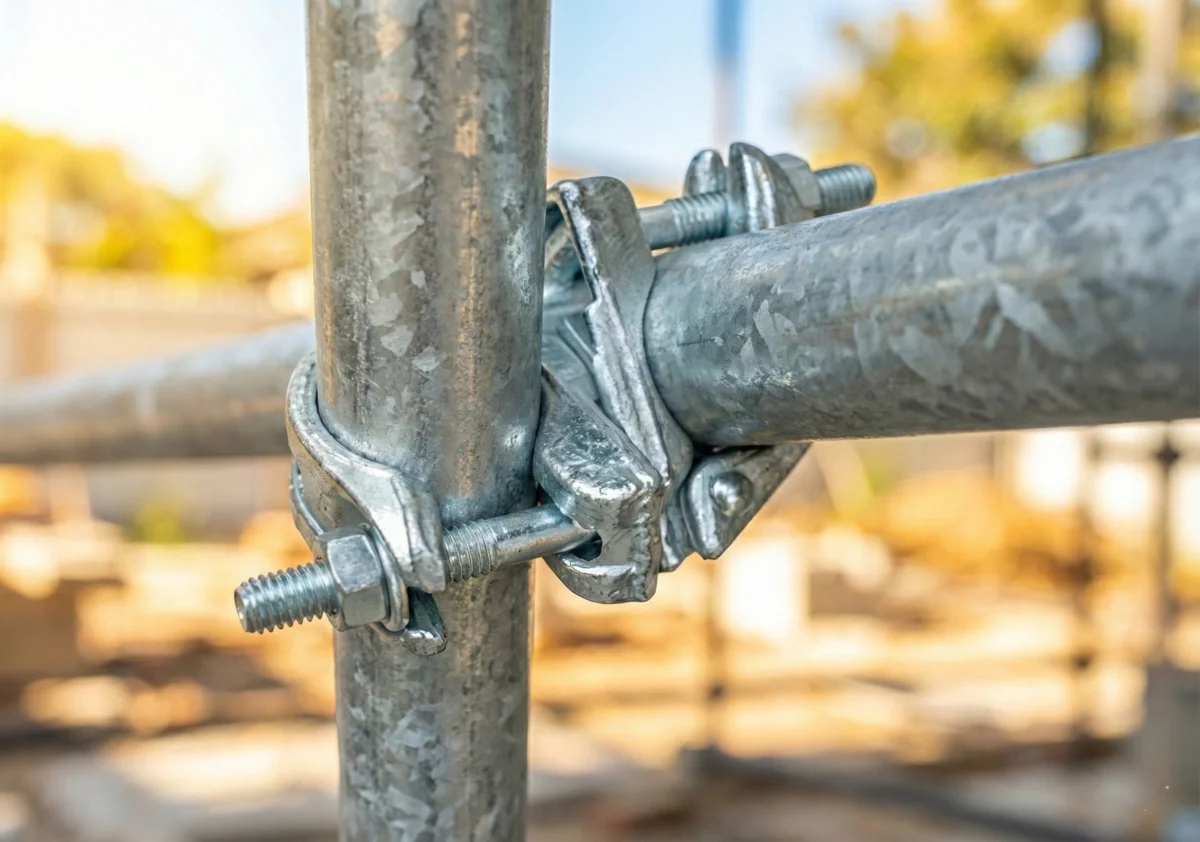
Material Quality and Strength Relationship in Scaffolding Couplers
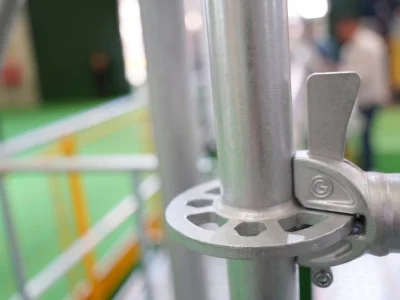
Scaffolding systems used in the construction industry are exposed to high loads and dynamic forces. The safety of these systems largely depends on the quality of the connection components used. In particular, scaffolding couplers are one of the most critical points where load transfer occurs.
For this reason, the relationship between material quality and strength in scaffolding couplers is of vital importance for job site safety.
Why is Strength Important in Scaffolding Couplers?
Scaffolding couplers provide connections between pipes and ensure that loads are safely transferred. The performance of a coupler is directly related to:
- Slip resistance
- Tensile strength
- Impact resistance
- Fatigue resistance
A coupler with insufficient strength may lead to:
- Loosening at connection points
- Pipe slippage
- Loss of system stability
- Serious safety risks on site
How Does Material Quality Affect Strength?
One of the most important factors determining the performance of a scaffolding coupler is the quality of the steel used.
In high-quality materials:
- The internal structure is homogeneous
- Deformation under load is more controlled
- The risk of fracture is lower
In low-quality materials:
- The internal structure is heterogeneous
- There is a higher risk of micro-cracks
- Sudden breakages may occur
This creates serious risks, especially in scaffolding systems exposed to heavy loads.
The Effect of Forged Production on Strength
In scaffolding couplers, the production method is just as important as material quality.
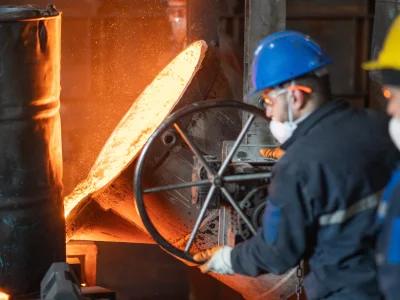
The forging process improves the internal grain structure of steel, resulting in a stronger and more durable product.
Advantages of forged couplers:
- Higher strength
- Better impact resistance
- Lower risk of breakage
- Longer service life
Compared to pressed or lower-quality manufacturing methods, forged couplers provide significantly safer performance, especially under heavy loads.
Importance of Standards and Testing
Quality in scaffolding couplers must be verified not only by production but also through testing.
Key standards and tests include:
- EN 74-1 standard
- Yield and tensile tests
- Slip resistance tests
These tests determine:
- Maximum load capacity
- Deformation behavior
- Safe working limits
GCE Metal Approach
At GCE Metal, we ensure quality not only in production but throughout the entire process.
- All scaffolding couplers are manufactured using forged steel
- Yield and tensile test reports are prepared for our products
- EN 10204 3.1 certificates are provided with shipments
- Products are tracked with a lot-based traceability system
With this approach, we offer not only products but also verified and reliable performance to our customers.
You can review our coupler products for more details.
Conclusion
Safety in scaffolding systems lies in the details. In particular, material quality and strength of scaffolding couplers directly affect the overall performance of the system.
When the right material, proper production method, and tested products are used:
- Safer job sites
- Longer service life
- Reduced risks
can be achieved.
Therefore, when selecting scaffolding couplers, not only price but also quality and strength should be prioritized.
Hi :)
May i help you?
12:20